The Deep South: Cali to the Tatacoa Desert
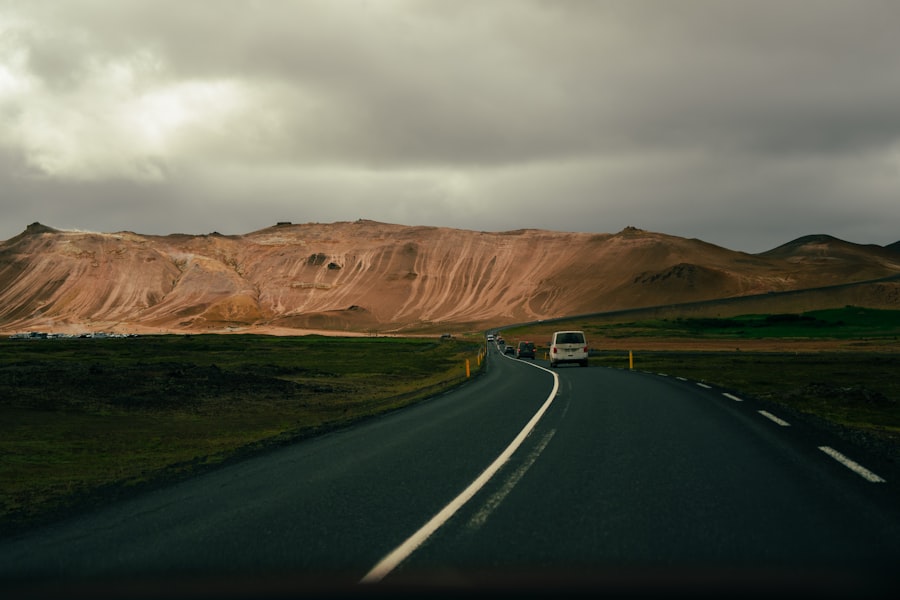
The Colombia most itineraries skip: salsa until two in Cali, the white colonial hush of Popayán, pre-Columbian statues above the Magdalena gorge, and a red desert full of stars. Buses are long; payoffs are longer.
Cali, first steps
The self-styled world capital of salsa doesn’t oversell it. Check into San Antonio, eat cholado on the hill at sunset, and take your first group class — every dancer in the room started exactly this badly.
Cali, properly
Cristo Rey and the cat sculptures by day; by night, a viejoteca — the old-school halls where couples in their seventies will dance you into the ground. Juanchito if you dare, La Topa Tolondra if you’re honest.
South to the white city
Three hours of Panamericana to Popayán, whitewashed since the 16th century and still running on church bells and pastry counters. Evening walk when the facades go gold.
Market day in Silvia
If it’s Tuesday, ride up to Silvia where the Misak come down from their resguardos in blue-and-fuchsia dress to trade. No souvenirs, no performances — a real market. Any other day: Popayán’s churches and the bridge museums.
The rough road to San Agustín
Five to six hours over the Puracé páramo — cold, foggy, occasionally spectacular, always slow. San Agustín rewards the shake-down immediately: green gorges, cheap fruit, horses in the streets.
The statues
The archaeological park holds the largest group of megalithic sculpture in South America — jaguar-fanged gods and birth scenes carved by a culture nobody can name. Go at opening; the mesitas belong to you and the hummingbirds until ten.
On horseback to the outliers
A local guide and a sure-footed horse take you to El Purutal — statues still wearing their original paint — and La Chaquira, carved into the canyon wall above the Magdalena. The gorge views justify the saddle sores.
The young Magdalena
Raft the river that made Colombia — grade III fun on the young Magdalena — or walk to the Estrecho where the whole river squeezes through a two-metre slot. Afternoon free for coffee on a farm above town.
Long haul to the desert
The route’s one honest slog: bus down the Magdalena valley via Neiva, jeep across the river, and suddenly the green stops — red badlands to the horizon. Sunset in the Cuzco labyrinth looks like Mars with cacti.
Grey desert, night sky
Morning in Los Hoyos, the grey half of the desert, with a swim in the improbable pool among the badlands. After dark, the observatory: Tatacoa is one of South America’s best naked-eye skies, and the astronomer’s laser tour is worth every peso.
Up to the capital
Fly from Neiva or ride the valley north — Bogotá by evening. La Candelaria’s graffiti and cafés make a gentle re-entry to city altitude; eat ajiaco, sleep early.
Bogotá, then home
The Gold Museum first — an hour among the Muisca offerings reframes everything you saw in San Agustín — then the cable car up Monserrate for the full 2,640-metre sweep before your flight out.
Good to know
Silvia’s market is Tuesday only — build the Popayán days around it if you can.
The Popayán–San Agustín road crosses the Puracé páramo: take the first morning bus, bring a warm layer, and don’t plan anything for the evening.
Tatacoa is hot and basic — desert posadas mean fans, not air-con. Carry cash from Neiva; there are no ATMs among the cacti.
Shorter or longer?
Cali, Popayán and San Agustín only, flying out of Pitalito — the desert waits for next time.
July–October, prefix three days in Nuquí: humpbacks calve off the Pacific coast an avioneta hop from Cali.
Continue south from San Agustín to the Tierradentro tombs and exit overland to Ecuador past the cliff-built Las Lajas sanctuary.
Verified partners on this route
ExplWorld VerifiedIndependently checked places and services we stand behind. Partners pay for verification — never for the verdict.